

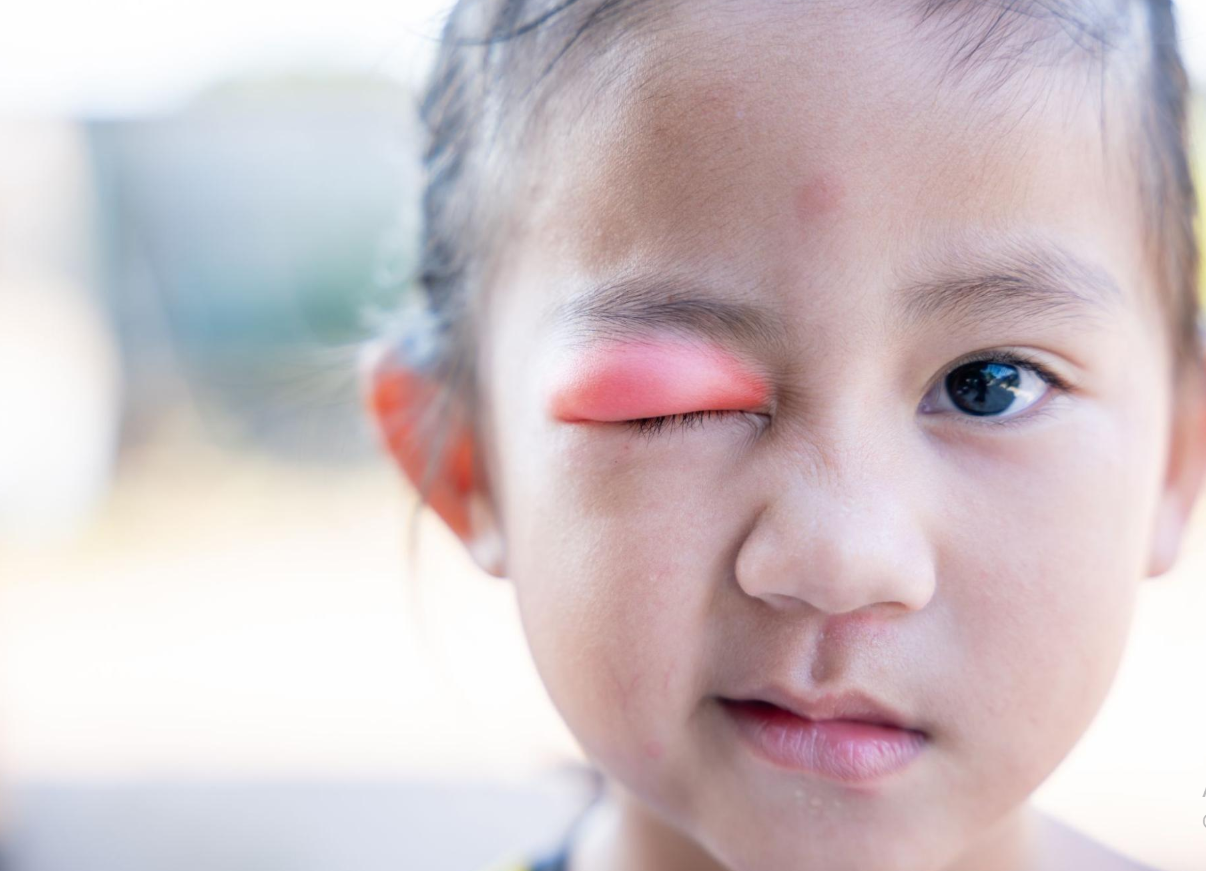
Many people ask, are styes contagious, especially when they notice a painful bump forming on the eyelid. A stye, medically known as a Hordeolum, is a localized infection of an oil gland in the eyelid. It typically appears as a red, swollen lump that may resemble a pimple and can cause discomfort, irritation, and tearing. Despite its appearance, a stye is generally harmless and tends to heal on its own within a short period.
When considering whether are styes contagious, it is important to understand that the condition itself does not spread directly from one person to another. However, the bacteria that cause styes, most commonly Staphylococcus aureus, can be transferred through contact. This means that poor hygiene practices, such as sharing towels or touching the eyes with unclean hands, can increase the risk of developing a similar infection.
Symptoms That Help Identify Styes
A key part of answering the question are styes contagious is recognizing the symptoms early. Styes often begin with a slight tenderness along the eyelid, followed by redness and swelling. As the infection develops, a small, painful bump forms, sometimes filled with pus. Other symptoms may include a gritty sensation in the eye, increased tearing, and sensitivity to light.
Understanding these symptoms helps clarify concerns about are styes contagious, as early detection allows for proper care and hygiene. While the discomfort can be noticeable, most styes do not lead to serious complications. In many cases, they resolve within one to two weeks without medical intervention, especially when proper self-care measures are followed.
Causes Behind Styes and Bacterial Spread
When discussing are styes contagious, it is essential to look at their root cause. Styes develop when oil glands in the eyelids become blocked and infected by bacteria. Factors such as touching the eyes frequently, not removing makeup properly, or using contaminated cosmetics can increase the likelihood of infection. People with conditions like blepharitis or oily skin may also be more prone to developing styes.
The concern around are styes contagious arises because bacteria can spread through direct contact. For example, if someone touches an infected eyelid and then touches another person’s eye or shares personal items, the bacteria may transfer. While this does not guarantee another stye will form, it does raise the risk, making hygiene an important preventive measure.
Effective Treatment Options for Styes
Addressing are styes contagious also involves understanding how to treat them effectively. One of the most recommended methods is applying a warm compress to the affected eye for 10 to 15 minutes several times a day. This helps to reduce swelling, relieve pain, and encourage the stye to drain naturally. Keeping the eyelid clean and avoiding makeup or contact lenses during this time also supports faster healing.
In some cases, people worried about are styes contagious may seek additional treatment. Over-the-counter pain relievers such as Ibuprofen or Acetaminophen can help manage discomfort. If the stye persists or worsens, a healthcare provider may recommend antibiotic ointments or, in rare situations, perform a minor procedure to drain it safely.
Preventing the Spread of Infection
To fully address the question are styes contagious, prevention plays a crucial role. Practicing good hygiene is the most effective way to reduce the risk of bacterial spread. This includes washing hands frequently, avoiding touching the eyes unnecessarily, and ensuring that personal items like towels, pillowcases, and makeup are not shared with others.
People concerned about are styes contagious should also focus on maintaining proper eyelid hygiene. Regularly cleaning the eyelids and removing makeup before sleeping can prevent blockages in the oil glands. Replacing old or expired cosmetics is another simple yet effective step in minimizing bacterial exposure and reducing the chances of future infections.
When to Seek Medical Advice
Another important aspect of understanding are styes contagious is knowing when professional care is needed. While most styes heal on their own, certain signs may indicate a need for medical attention. These include severe pain, swelling that spreads beyond the eyelid, vision changes, or a stye that does not improve after one to two weeks.
For those still wondering are styes contagious, consulting a healthcare professional can provide reassurance and proper guidance. Early evaluation ensures that any complications are addressed promptly and helps confirm whether the condition is indeed a stye or another eye issue requiring different treatment.
Final Thoughts on Are Styes Contagious
In conclusion, the question are styes contagious often causes unnecessary worry. Styes themselves are not contagious, but the bacteria responsible for them can spread through poor hygiene practices. By understanding how styes form and taking preventive measures, the risk of transmission can be significantly reduced.
Ultimately, maintaining cleanliness and practicing good eye care habits are the best ways to manage concerns about are styes contagious. With proper attention and simple home treatments, most styes heal quickly without complications, allowing individuals to return to normal activities with minimal disruption.