

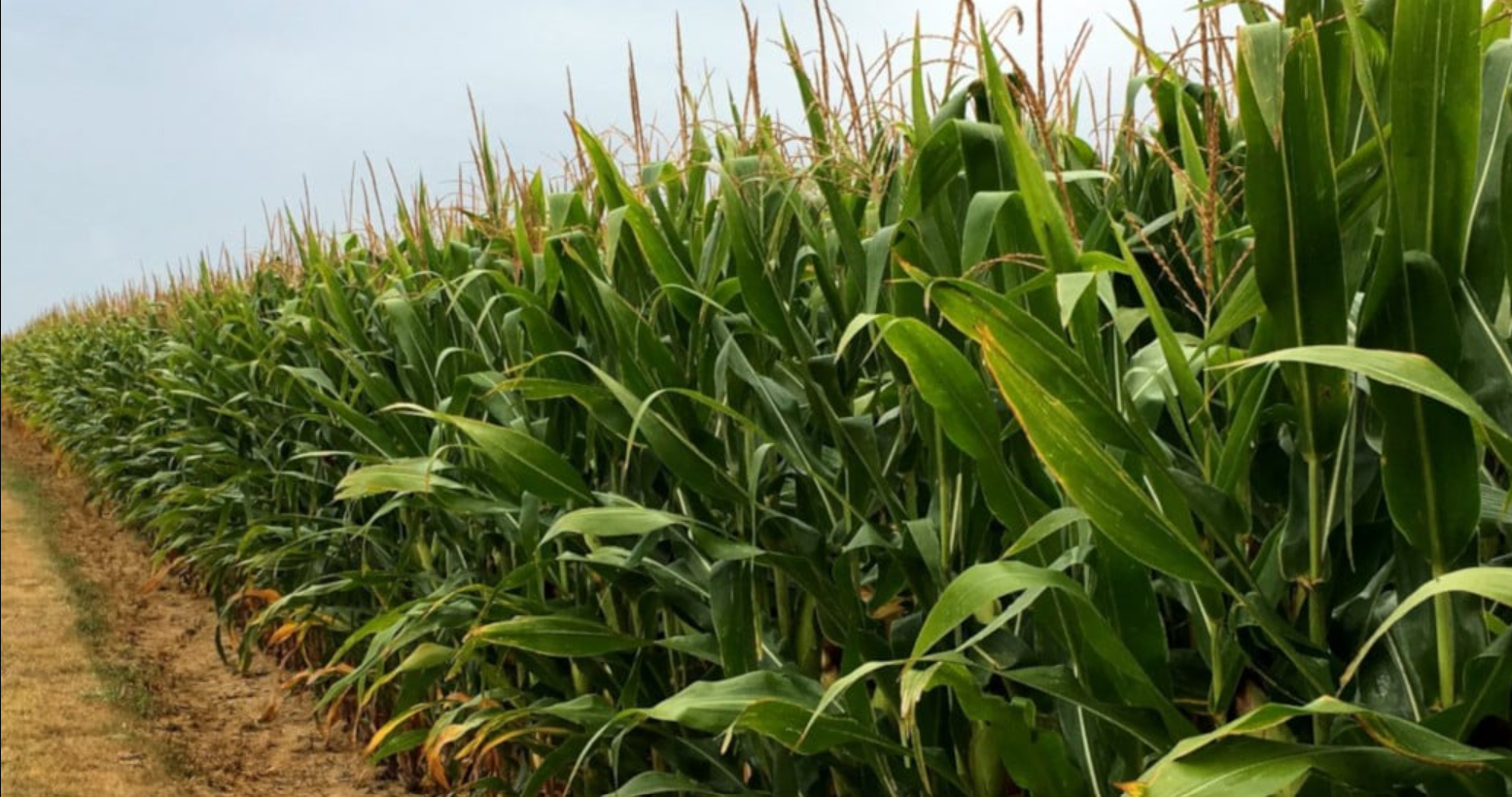
What Is a Crop Intensification Program?
A crop intensification program is a farming approach that helps increase output from existing land.
It’s not about expanding fields.
It’s about using smarter methods to improve productivity.
Instead of relying on traditional habits, farmers adjust how they plant, water, and manage soil.
The goal is simple: grow more crops while keeping the land healthy for future seasons.
Think of a farmer who grows one crop per year.
With the right approach, that same land can produce two or even three cycles without damage.
How a Crop Intensification Program Works
A crop intensification program works by improving efficiency across every step of farming.
It focuses on better planning rather than just increasing inputs.
This includes choosing the right seeds, planting at the right time, and using water wisely.
Even small changes in timing or spacing can lead to noticeable gains in yield.
For example, a farmer who switches from random planting to planned row spacing may see stronger plant growth and less waste.
It’s about doing things with purpose rather than guesswork.
Crop Intensification Program Methods That Farmers Use
Improved Seed Varieties
One of the easiest upgrades in a crop intensification program is using better seeds.
High-yield and disease-resistant varieties can make a big difference.
These seeds are designed to grow faster, survive harsh conditions, and produce more output.
That means more harvest without increasing land size.
Efficient Irrigation Techniques
Water management plays a huge role in any crop intensification program.
Traditional flooding methods often waste water and harm soil.
Drip and sprinkler systems deliver water directly to plant roots.
This reduces waste and keeps crops healthier throughout the season.
Soil Fertility Management
Healthy soil is the backbone of a crop intensification program.
Without it, higher yields won’t last long.
Farmers improve soil using compost, organic matter, and balanced fertilisers.
This keeps nutrients stable and supports long-term productivity.
Multiple Cropping and Crop Rotation
Growing more than one crop per year is a key part of a crop intensification program.
It allows farmers to maximise output from the same land.
Crop rotation also helps reduce pests and maintain soil balance.
For example, switching between legumes and grains can naturally restore nutrients.
Use of Modern Farming Technology
Technology is becoming more common in every crop intensification program.
Even simple tools can improve accuracy and save time.
Farmers now use sensors, mobile apps, and machinery to monitor crops.
This helps them make better decisions and avoid costly mistakes.
Benefits of a Crop Intensification Program
The biggest advantage of a crop intensification program is higher yield.
Farmers can produce more without needing extra land.
It also helps increase income.
Better output means more produce to sell.
Other key benefits include:
- Efficient use of water and fertilisers
- Reduced pressure to clear new land
- Improved food supply for growing populations
Over time, these benefits add up and create a more stable farming system.
Challenges in Implementing a Crop Intensification Program
A crop intensification program isn’t without its challenges.
Some farmers struggle to adopt new methods.
One major issue is cost.
Better seeds, irrigation systems, and tools require investment.
There’s also a learning curve.
Farmers need proper knowledge to avoid mistakes that could harm soil or crops.
Other challenges include:
- Risk of soil damage if overused
- Limited water access in some areas
- Lack of modern tools for small-scale farmers
These issues can be managed, but they need planning and awareness.
Crop Intensification Program vs Traditional Farming
Traditional farming often relies on fixed habits and seasonal routines.
A crop intensification program takes a more planned and flexible approach.
Instead of using more land, it improves how existing land is used.
It focuses on efficiency rather than expansion.
In many cases, intensification leads to better long-term results.
But traditional methods may still work well in areas with fewer resources.
Best Practices for a Successful Crop Intensification Program
Success with a crop intensification program depends on how it’s applied.
Small, consistent changes work better than sudden shifts.
Here are a few practical tips:
- Start with one or two methods, not everything at once
- Check soil health regularly
- Use water carefully and avoid waste
- Stay updated with new techniques
- Seek advice from local experts
These steps help reduce risk and improve results over time.
Is a Crop Intensification Program Right for You?
A crop intensification program can work for both small and large farms.
The key is knowing when it makes sense to adopt.
If your yield has been stagnant or costs are rising, it might be time to adjust your approach.
Even small improvements can lead to noticeable gains.
Farmers who are open to learning and testing new methods usually see the best results.
Conclusion: Crop Intensification Program for Sustainable Growth
A crop intensification program offers a practical way to grow more without expanding land.
It focuses on smarter farming, not harder farming.
By using the right mix of methods, farmers can improve yield, protect soil, and build a more stable future.
The key is balance, consistency, and a willingness to adapt.
FAQs About Crop Intensification Program
What is the main goal of a crop intensification program?
The goal is to increase crop yield while using the same amount of land.
Is a crop intensification program expensive?
It depends on the methods used. Some changes are low-cost and easy to start.
Can small farmers use a crop intensification program?
Yes, even simple techniques like crop rotation and better seeds can help.
Does a crop intensification program harm soil?
No, if managed properly, it can actually improve soil health over time.