

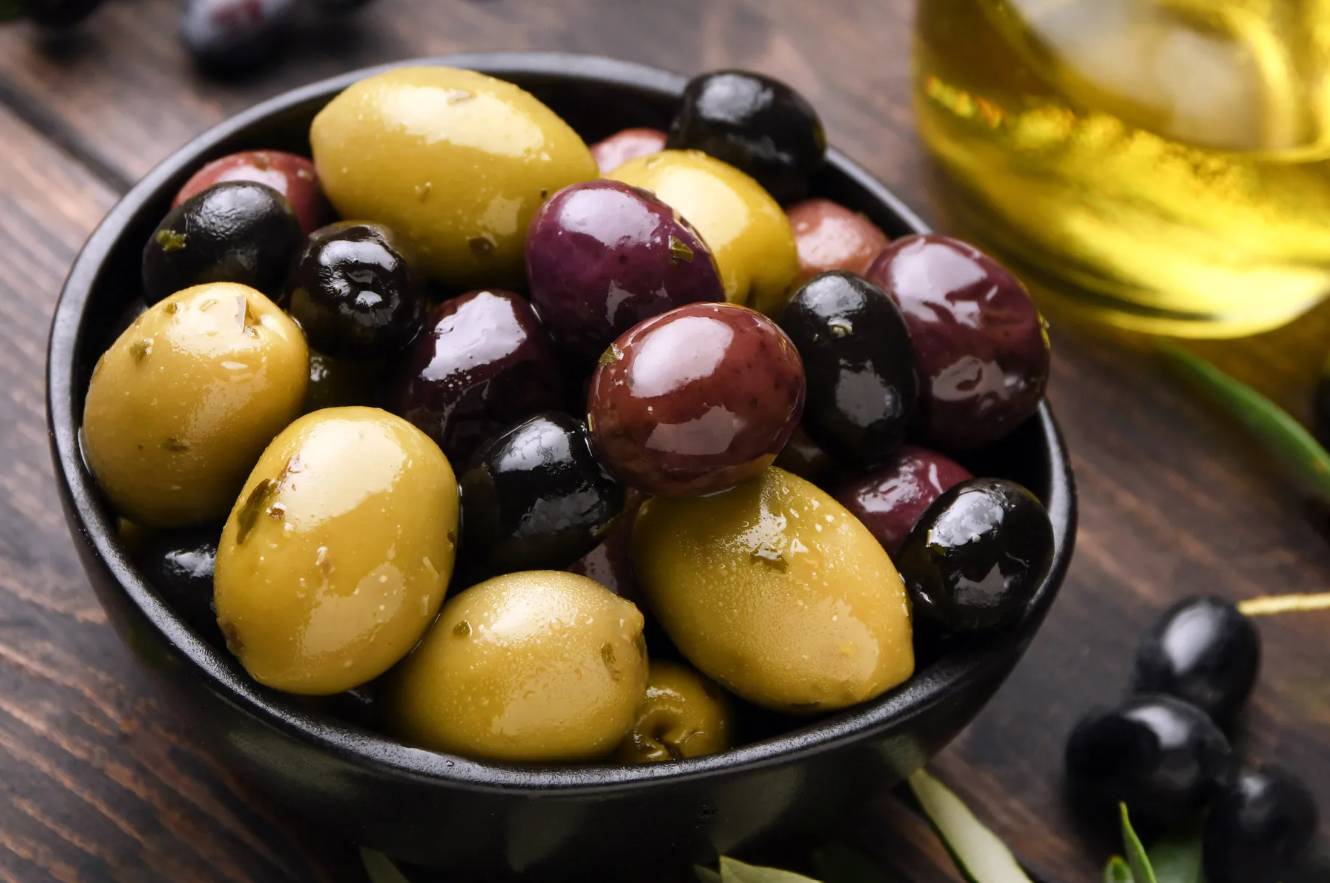
Olives have been enjoyed for centuries as both a snack and a cooking essential, valued for their taste, versatility, and nutritional benefits. In everyday meals, salads, and appetizers, olives black olives often appear side by side, yet many people are unsure what truly separates them. While they may look different, both types share the same origin and many health-promoting qualities.
This guide explores how olives are processed, how their nutritional profiles compare, and how olives black olives can fit naturally into a balanced lifestyle. By understanding these differences, it becomes easier to choose the variety that best suits your taste and dietary goals.
What Makes Olives Black Olives Look Different?
The most visible difference between green and dark varieties lies in color, but that difference is not caused by separate species. Both come from the same olive tree, and the distinction between them is mainly about ripeness and processing, which is why olives black olives are often misunderstood as entirely different foods.
Green olives are harvested earlier, before they fully mature, while darker olives are picked later when they are riper. In many cases, olives black olives achieve their deep color through an oxidation process during preparation, which also softens their natural bitterness and enhances their flavor.
Harvesting Time and Processing Methods
Harvest timing plays a major role in taste and texture. Green olives are firmer and more bitter at harvest, which is why they require early treatment to remove bitterness. This process helps shape the final flavor profile that people associate with fresh, tangy olives, while olives black olives develop a smoother and milder taste due to longer maturation.
Processing methods further influence the final product. Green olives are usually treated shortly after picking, whereas olives black olives may undergo controlled oxidation and longer curing periods. These steps not only affect color but also influence nutritional composition and mouthfeel.
Nutritional Profile of Olives Black Olives
From a nutritional standpoint, olives are considered fatty fruits, but the type of fat they contain is what makes them beneficial. Around 70 percent of the fat in olives black olives comes from monounsaturated fatty acids, especially oleic acid, which is linked to heart health.
Compared to green olives, olives black olives generally contain more fat and calories due to their longer time on the tree. This higher fat content gives them a richer flavor and softer texture, while still providing fiber, vitamins, and minerals essential for overall wellness.
Calories and Fat: How Much Is Too Much?
Calorie content is often a concern when choosing snacks, and this is where green and dark olives differ the most. Green olives tend to be lower in calories, while olives black olives are more calorie-dense because of their higher fat content.
Despite this difference, moderation is key. A small daily portion of olives black olives can be part of a healthy diet without contributing to weight gain. When eaten in reasonable amounts, they provide satiety, flavor, and healthy fats that support balanced eating habits.
Taste, Texture, and Culinary Uses
Flavor is often the deciding factor when choosing olives. Green olives are typically firmer and sharper in taste, while olives black olives are softer and milder, making them popular in Mediterranean dishes and spreads.
In cooking, olives black olives are commonly used in sauces, pasta, and baked dishes because they blend well with other ingredients. Green olives, by contrast, are often enjoyed whole or stuffed, adding a bold accent to salads and appetizers.
Olives Black Olives in a Balanced Diet
Including olives in your diet can support overall health when portions are controlled. The healthy fats found in olives black olives help improve cholesterol balance and support heart health, especially when they replace less healthy fats.
Fiber content also plays a role, as olives black olives contribute to digestive health and help promote a feeling of fullness. This makes them a smart addition to meals rather than a mindless snack.
Are Olives Black Olives Better Than Green Olives?
There is no clear winner when it comes to health benefits. Green olives are lighter in calories, while olives black olives offer more fat and a richer nutrient profile due to longer ripening.
The better option depends on personal preference and dietary needs. Some people prefer the lower calorie count of green olives, while others enjoy the depth of flavor found in olives black olives, especially in cooked dishes.
Portion Control and Daily Consumption
Like many healthy foods, olives should be eaten in moderation. Nutrition experts often suggest a small daily portion, such as six or seven olives, which allows you to enjoy olives black olives without excessive calorie intake.
When included as part of a varied diet, olives black olives do not lead to weight gain. Instead, they enhance meals with flavor and provide valuable nutrients that support long-term health.
Final Thoughts on Olives Black Olives
Understanding the differences between green and dark varieties helps clear up common confusion. While they come from the same fruit, processing and ripeness create noticeable contrasts in flavor, texture, and nutrition, especially when comparing olives black olives to their greener counterparts.
Ultimately, both types deserve a place in a balanced diet. Choosing between them should be based on taste preference, meal planning, and nutritional goals. When enjoyed mindfully, olives black olives are not only delicious but also a healthy addition to everyday eating.