

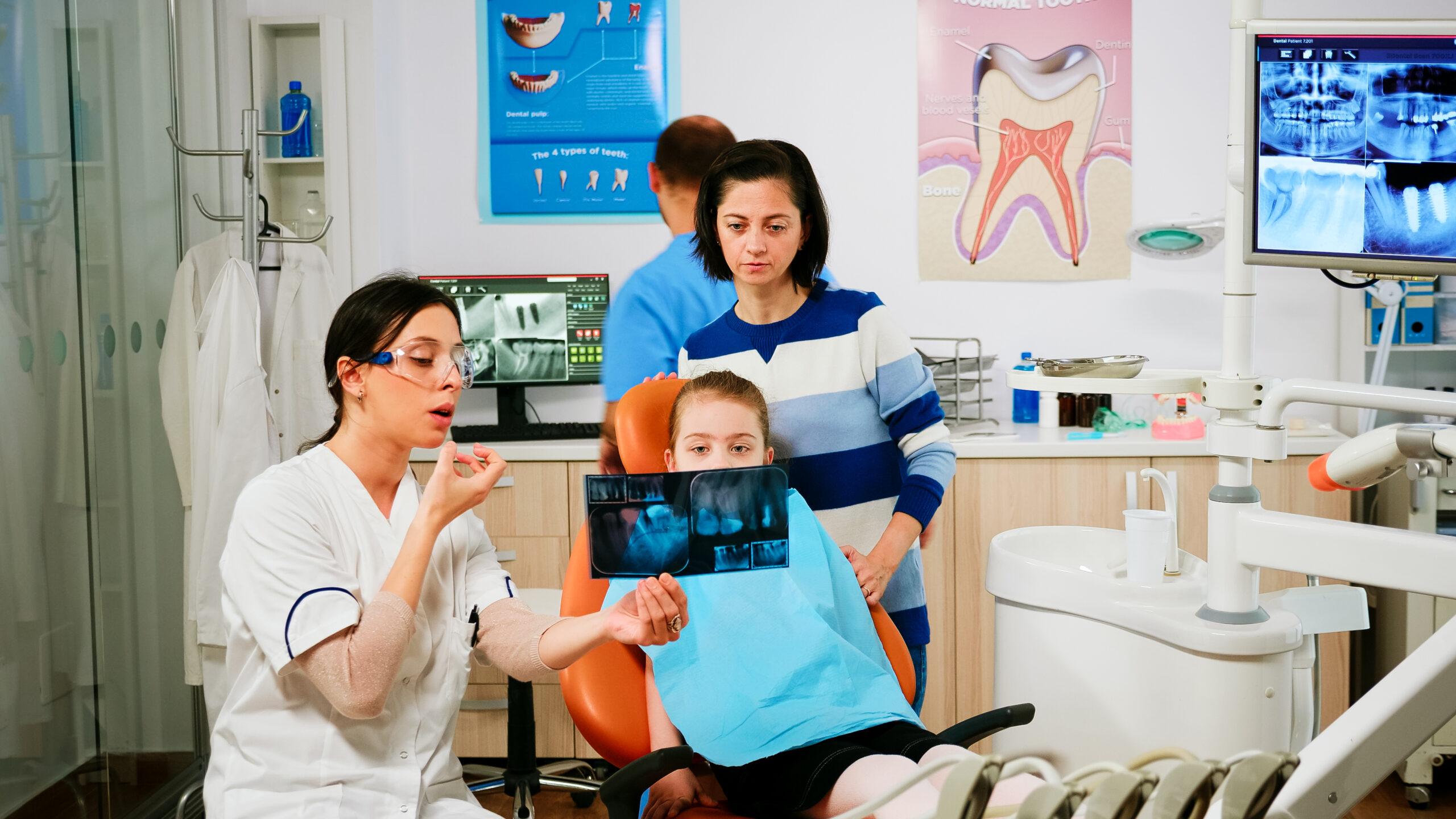
The mention of your child’s first dental x-ray might bring a wave of questions and concerns. Is it really necessary for baby teeth that are just going to fall out? Is it safe for my little one? As a parent, it’s natural to worry. This guide is designed to put your mind at ease by giving you a clear, straightforward look at the baby teeth xray—why it’s a critical tool for your child’s health, how the process works, and the strict safety measures that are always in place. Let’s explore everything you, as a parent, need to know.
What Is a Baby Teeth Xray and Why Is It Needed?
A baby teeth xray, or dental radiograph, is a specialized image that allows your pediatric dentist to see what’s happening beneath the surface of your child’s gums and between their teeth. Think of it as a vital map of your child’s oral development.
While a visual exam is important, it only tells part of the story. A baby teeth xray is essential because it reveals critical information that is completely invisible to the naked eye:
- To Find Hidden Cavities: The most common reason. X-rays can spot decay between the teeth long before it becomes a large, painful cavity you can see.
- To Monitor Adult Teeth: Dentists can track the position, size, and development of the permanent teeth growing beneath the gums, ensuring they are coming in correctly.
- To Check Jawbone Health: It assesses the health and density of the jawbone supporting the teeth.
- To Evaluate Space: It shows if there is adequate space for the larger adult teeth to erupt, helping identify potential crowding issues early.
- To Diagnose Infections or Abscesses: It can reveal infections at the root of a tooth or other abnormalities in the bone.
Are Baby Teeth Xrays Safe for My Child?
This is the number one question from parents, and the answer is a resounding yes. The safety of your child is the top priority for every pediatric dentist.
- Extremely Low Radiation: Modern digital x-rays use up to 90% less radiation than older film types. The amount of radiation in a single baby teeth xray is minimal—often compared to the natural background radiation you’re exposed to on a short airplane flight or a day in the sun.
- Rigorous Safety Protocols: Dentists follow the ALARA principle (As Low As Reasonably Achievable). Your child will always wear a lead apron with a thyroid collar to protect their body. The small, fast x-ray beam is focused only on the mouth.
- Professional Judgment: X-rays are never taken routinely. Your dentist recommends them based on your child’s individual needs, age, and risk for cavities, ensuring the significant diagnostic benefit far outweighs any minimal risk.
What Happens During a Baby Teeth Xray Procedure?
Knowing what to expect can make the experience smooth for both you and your child. Pediatric dental teams are experts at making this process quick and non-scary.
- Kid-Friendly Explanation: The hygienist or dentist will use simple, positive words like “taking a picture of your tooth smile” or using a “camera for teeth.”
- Protective Gear: Your child will be fitted with a small lead apron (and often a thyroid collar) for protection.
- The “Picture” is Taken: A small, comfortable sensor or film is placed in your child’s mouth. For young children, they often start with simple “bitewing” x-rays where the child gently bites down on a small tab. The machine is positioned, and the image is captured in a fraction of a second.
- Praise and Reward: The team will praise your child for holding still and may offer a small reward, making it a positive experience.
Understanding Your Child’s Baby Teeth Xray Results
When the dentist shows you the x-ray images, here’s a simple guide to what you’re looking at:
- The Crowns (Tops): The visible parts of the baby teeth above the gumline.
- The Roots: The long parts of the baby teeth anchored in the jawbone. Healthy roots are full and intact.
- The Adult Teeth (Tooth Buds): These appear as darker shapes forming below the roots of the baby teeth. The dentist will check their position, number, and development stage.
- Bone: The lighter, dense area surrounding the roots. It should appear even and solid.
- Spaces & Cavities: Healthy spaces between teeth are normal. Dark spots or triangles between the teeth, however, often indicate the start of decay.
(Visual Suggestion: A simple, annotated diagram of a child’s x-ray would be placed here, labeling baby teeth roots, developing adult teeth, and healthy bone.)
Common Questions About Baby Teeth Xrays (FAQ)
At what age should a child get their first baby teeth xray?
There’s no universal age. The American Academy of Pediatric Dentistry recommends x-rays when there is a clinical need, which could be as early as age 2 or 3 if a child is at high risk for cavities, or has a history of dental trauma. For most children, the first set of x-rays is often taken around ages 4-5.
How often will my child need a baby teeth xray?
Frequency depends entirely on your child’s individual cavity risk and development. Some children may need x-rays every 6-12 months, while others with low risk may only need them every 1-2 years. Your dentist will tailor the schedule to your child.
What if my child is scared or won’t sit still for the xray?
Pediatric dental teams are trained in gentle behavior guidance. They use tell-show-do techniques, positive reinforcement, and go at the child’s pace. For very anxious children or those with special needs, they may discuss other options to ensure a comfortable experience.
Can I be in the room during my child’s baby teeth xray?
In most practices, yes! Parents are usually welcome to stay to provide comfort and reassurance. You will also be provided with a lead apron to wear for your own safety.
Conclusion
A baby teeth xray is far more than just a picture; it’s a proactive, preventative tool that empowers your dentist to protect your child’s smile today and ensure healthy development for tomorrow. With modern technology and stringent safety standards, the process is quick, safe, and provides invaluable information that cannot be gathered any other way.
Ready to discuss your child’s dental health? If you have more specific questions about baby teeth xrays or your child’s upcoming appointment, don’t hesitate to talk to your pediatric dentist. They are your best partner in ensuring a lifetime of healthy smiles. Schedule a check-up today to keep your child’s development on track.