

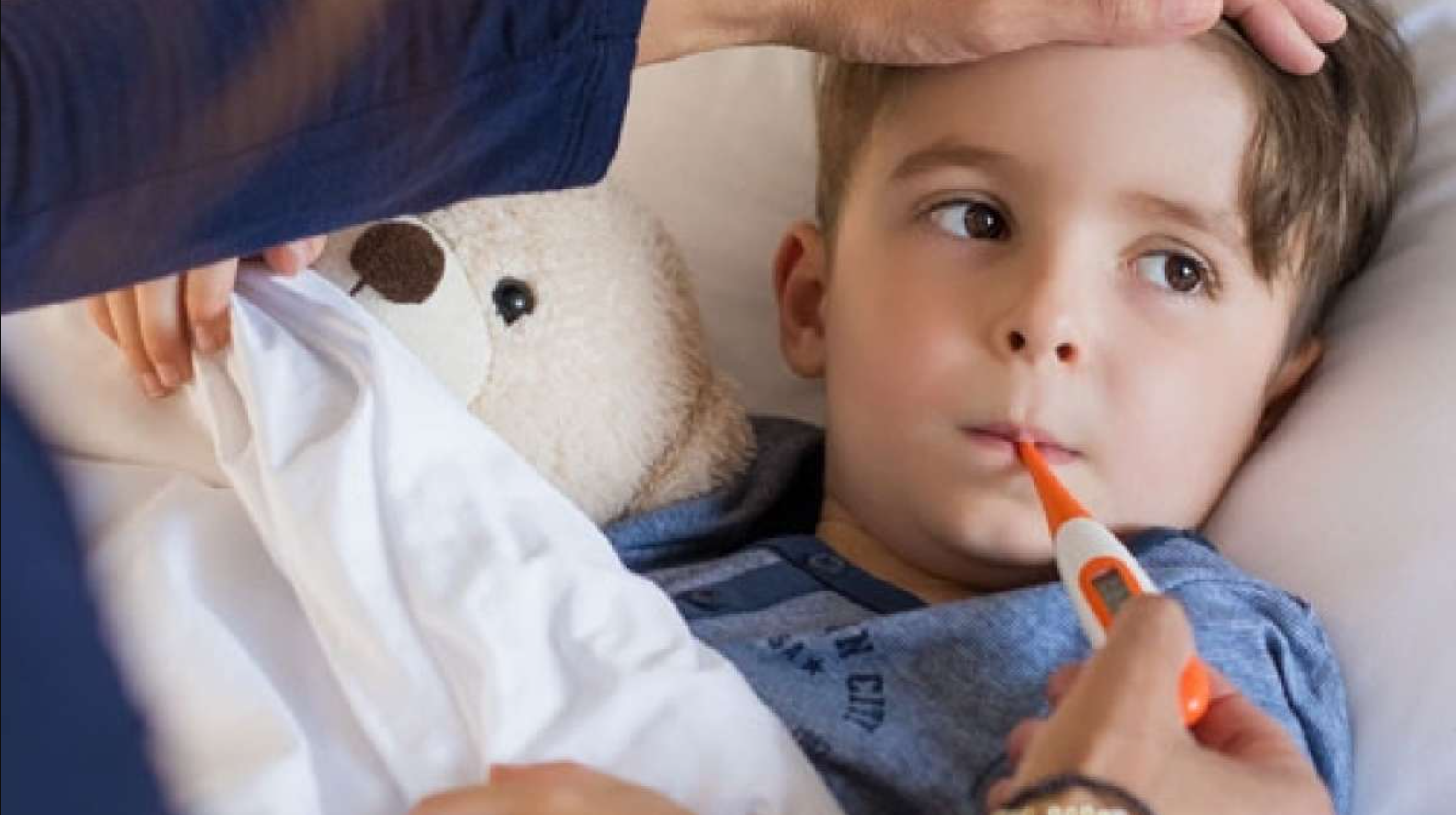
Watching your child battle a fever is a universal parenting experience filled with worry. Your instinct is to help them feel better, fast. It’s important to remember that a fever itself is not an illness, but a sign that your child’s immune system is actively fighting an infection. While medications like acetaminophen or ibuprofen can be effective tools, many parents prefer to start with gentler, supportive methods. This guide is dedicated to showing you how to reduce fever in child naturally while prioritizing your little one’s comfort above all else. Our focus is on safe, soothing techniques that help your child rest and recover.
Understanding Fever: When to Use Natural Care and When to Call a Doctor
Before trying any home care, it’s crucial to understand when it’s appropriate and when to seek immediate medical help. A mild to moderate fever (generally below 102.5°F or 39.2°C) in an otherwise alert, drinking-fluids child is often manageable at home.
Stop natural care and call your pediatrician or seek emergency care immediately if your child:
- Is under 3 months old with a rectal temperature of 100.4°F (38°C) or higher.
- Is lethargic, difficult to wake, or confused.
- Has a stiff neck, severe headache, or a rash that doesn’t fade when pressed.
- Shows signs of dehydration (no tears when crying, very dry mouth, no urination in 8+ hours).
- Has difficulty breathing or is in significant pain.
- Has a fever that repeatedly spikes above 104°F (40°C).
If none of these emergency signs are present, the natural comfort methods below can be wonderfully effective.
How to Reduce Fever in Child Naturally: The Core Comfort Methods
When exploring how to reduce fever in child naturally, think of your role as a supportive comfort provider, not just a temperature regulator. These core methods help the body do its job while easing your child’s distress.
Optimize the Environment for Comfort
Your child’s surroundings play a huge role in how they experience a fever.
- Keep it Cool: Maintain a comfortably cool room temperature, around 70-74°F (21-23°C). Use a fan on a low setting to circulate air, but don’t aim it directly at the child.
- Dress Lightly: Avoid the urge to bundle them up. Dress your child in lightweight, breathable cotton clothing. Overdressing can trap heat and raise their body temperature further.
- Use Light Bedding: Swap out heavy comforters for a light sheet or thin blanket that can be easily kicked off if they get too warm.
The Power of Hydration
This is the single most important step in both managing a fever and keeping your child comfortable. Fever increases fluid loss through sweat and faster breathing.
- Offer Frequent, Small Sips: Encourage small amounts of fluids every 15-20 minutes. Water is ideal, but you can also offer diluted fruit juice, clear broth, or oral rehydration solutions (like Pedialyte®) to replace electrolytes.
- Get Creative: For reluctant drinkers, try offering frozen ice pops (made from juice or oral rehydration solution), gelatin (Jell-O®), or small pieces of watermelon. The goal is to get fluids in by any comforting means necessary.
Lukewarm Sponge Baths for Soothing Relief
A sponge bath can provide immediate physical comfort, but it must be done correctly to avoid causing shivering, which can actually raise the core body temperature.
- The Right Way: Use lukewarm water (85-90°F or 29-32°C—test it on your inner wrist; it should feel slightly cool but not cold). Have your child sit in a few inches of water or use a damp washcloth to gently sponge areas with high blood flow: the forehead, neck, armpits, and groin. Let the water evaporate on the skin, which provides a cooling effect.
- Crucial Warning: NEVER use cold water, ice packs, or rubbing alcohol. These can cause intense chills, discomfort, and even lead to a dangerous drop in temperature or alcohol poisoning.
Soothing Discomfort Beyond the Temperature
The goal isn’t just a lower number on the thermometer—it’s a calmer, more content child. Here’s how to address the “and Comfortably” part of care.
Encouraging Rest in a Cozy Space
The body heals during rest. Create a sanctuary for recovery.
- Set up a comfortable resting area on the couch or in their bed with their favorite pillow and blanket.
- Keep the room dimly lit and quiet. Reduce stimulating noises from TVs or loud devices.
- Encourage calm activities like listening to an audiobook or quiet music.
Comforting Foods and Light Nutrition
Don’t worry about a full meal. Focus on easy-to-digest, comforting options that provide energy and hydration.
- The classic “BRAT” diet (Bananas, Rice, Applesauce, Toast) is gentle on the stomach.
- Warm chicken noodle soup or bone broth provides hydration, electrolytes, and comfort.
- Avoid heavy, greasy, or sugary foods, which can be harder to digest.
Simple Soothing Techniques
Sometimes, simple physical comfort is the best medicine.
- A cool, damp cloth placed on your child’s forehead can feel incredibly soothing.
- Offer quiet cuddles, read a gentle story, or simply sit with them. Your calm presence is a powerful remedy for anxiety.
What to Avoid When Reducing Fever Naturally
Safety is paramount. Some well-meaning actions can do more harm than good.
- Avoid Cold Baths & Alcohol Rubs: As stated, these are dangerous and counterproductive.
- Avoid Overdressing or “Sweating It Out”: Bundling a febrile child prevents body heat from escaping and can dangerously elevate their temperature.
- Avoid Adult Medications: Never give aspirin to a child or teen (risk of Reye’s syndrome), and do not use adult formulations of other medications. Always use pediatric-specific products at the correct weight-based dose.
- Avoid Untested Herbal Remedies: Unless specifically recommended and dosed by your pediatrician, it’s safest to avoid herbal supplements, which can interact or cause adverse effects in children.
Frequently Asked Questions (FAQ Section)
Q: What is the most effective natural way to bring down a fever?
A: There’s no single “magic bullet.” The most effective approach is a combination of ensuring proper hydration and creating a cool, comfortable environment. These methods support the body’s natural healing process without harsh intervention.
Q: How long does it take for natural fever remedies to work?
A: Comfort measures like a lukewarm cloth or a calm environment provide immediate soothing relief. However, the fever itself may naturally wax and wane for 3-4 days as the body fights the underlying infection. The goal is comfort, not necessarily making the fever disappear instantly.
Q: Can I use these methods along with fever medication (like acetaminophen)?
A: Absolutely. These comfort measures are perfectly safe to use alongside doctor-recommended fever reducers. In fact, using them together is often the best strategy: medication can lower the temperature, while natural methods provide ongoing comfort and hydration. Always follow the dosage instructions on medication labels carefully.
Conclusion: Comfort is Key
Navigating your child’s fever can feel daunting, but remember, your loving care is the most powerful medicine. By focusing on hydration, a cool environment, and simple soothing techniques, you now know how to reduce fever in child naturally and comfortably. You are providing exceptional support that helps your child’s body do its vital work.