

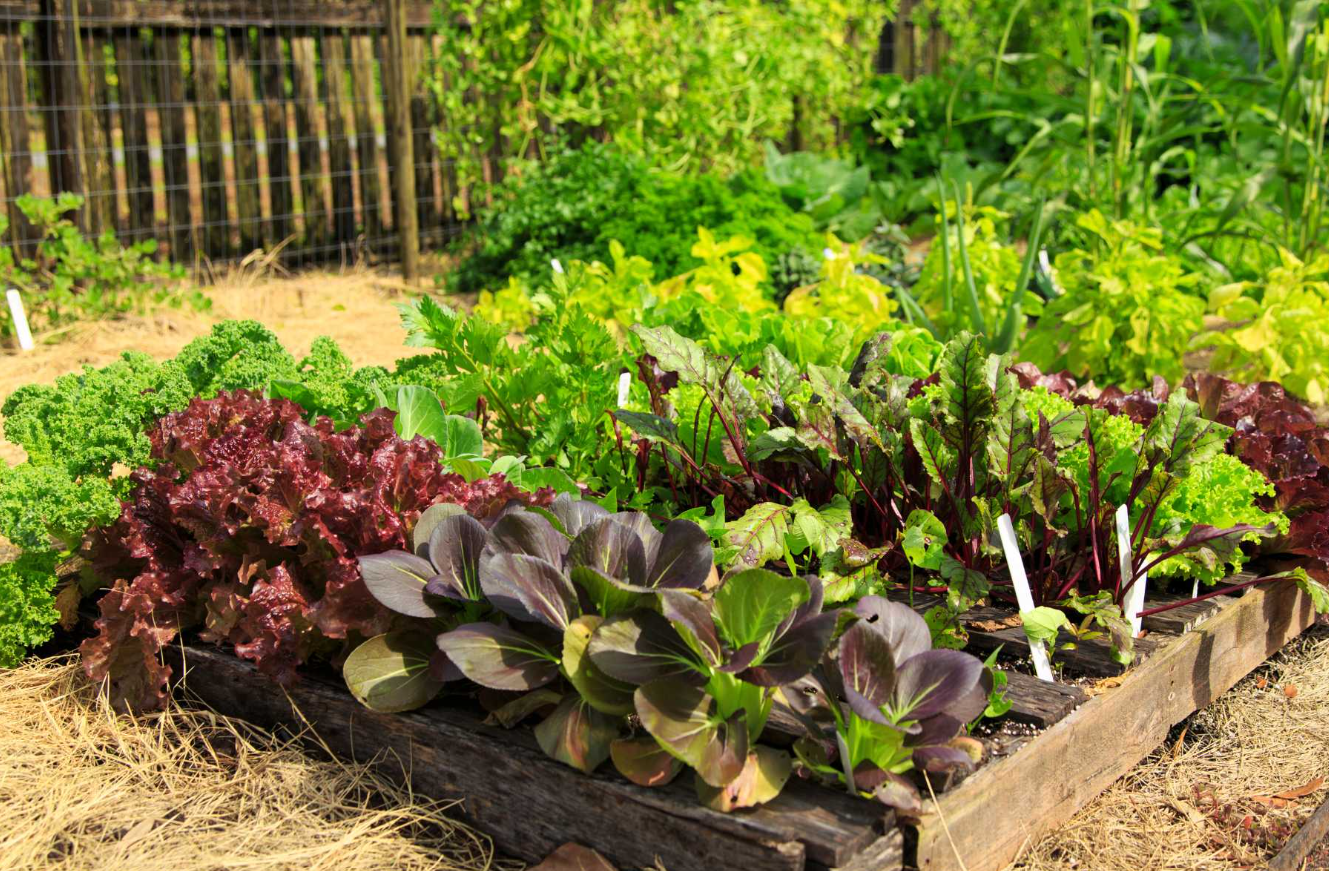
Imagine your soil as a precious, living skin that blankets the land. It nurtures your plants, filters our water, and is the very foundation of a thriving garden or landscape. Now imagine that skin being stripped away, particle by particle, by the relentless forces of wind and water. This is soil erosion—a silent thief that robs us of fertile ground.
While the problem is ancient, the most elegant solution has been growing all around us. Forget, for a moment, expensive retaining walls and sterile plastic sheeting. The most effective, sustainable, and beautiful defense is a living one: strategic planting. By choosing the right “green guardians,” you can armor your soil with a vibrant, self-repairing shield.
Why Plants are the Ultimate Erosion Control
Before we meet the all-star lineup of erosion-fighting plants, it’s crucial to understand how they work their magic. Their strategy is multi-layered:
- The Net Effect: Plant roots, particularly dense, fibrous ones, create a vast underground web that binds soil particles together. This living net holds the earth in place, making it difficult for water to wash it away or wind to lift it.
- The Armor Layer: Above ground, stems and leaves form a protective canopy. This layer absorbs the destructive energy of pounding raindrops, preventing them from dislodging soil particles in the first place. It also acts as a windbreak, slowing down gusts at ground level.
- The Sponge Factor: Healthy plant cover improves soil structure, increasing its ability to absorb and infiltrate water. Instead of water sheeting off the surface and carrying topsoil with it, it percolates down into the earth, recharging groundwater.
The key to success is matching the plant to the problem. Erosion control isn’t a one-size-fits-all endeavor. Let’s explore the best plants for different challenging scenarios.
For the Steep Slope: The Tenacious Groundcovers
Bare slopes are erosion disaster zones. Gravity and water conspire to pull soil downhill rapidly. The solution is a plant that establishes quickly, forms a dense mat, and doesn’t mind a tricky angle.
- Perennial Peanut (Arachis glabrata): This is a superstar often overlooked. It’s a nitrogen-fixing legume that forms a lush, dense carpet of clover-like foliage, decorated with tiny yellow flowers. It’s drought-tolerant, suppresses weeds, and never needs mowing.
- Creeping Juniper (Juniperus horizontalis): For a tougher, woody solution, creeping juniper is excellent. Its low-spreading branches grip the soil tightly, and its evergreen nature provides year-round protection. It thrives in full sun and poor, dry soil where other plants struggle.
- Asian Jasmine (Trachelospermum asiaticum): While it can be vigorous, this dense, evergreen groundcover is fantastic for stabilizing shaded slopes where sun-loving plants won’t thrive. Its deep roots and thick foliage are a formidable barrier against erosion.
For the Rain-Garden or Swale: The Moisture-Lovers
These are areas designed to manage water runoff. The plants here need to tolerate “wet feet” while having strong roots to hold the soil in saturated conditions.
- Blue Flag Iris (Iris versicolor): Not only is it a stunning native perennial, but its thick, rhizomatous root system is exceptional at locking down the banks of a rain garden or pond edge.
- Switchgrass (Panicum virgatum): This native prairie grass is an erosion control powerhouse. Its root system can reach depths of over 10 feet, creating a phenomenal underground structure that holds soil like steel rebar. It also adds beautiful, wispy texture to the landscape.
- Cardinal Flower (Lobelia cardinalis): A magnet for hummingbirds, this plant thrives in constantly moist soil. Its clumping habit and fibrous root system make it ideal for planting in masses along a drainage ditch or stream bank where its bright red blooms provide a pop of color.
For the Windy Plains: The Deep-Rooted Sentinels
In open, windy areas, you need plants that act as a living windbreak and have deep, tenacious roots.
- Little Bluestem (Schizachyrium scoparium): This is a beautiful, clump-forming native grass with a stunning blue-green color in summer that turns a striking copper-red in fall. Its deep, fibrous root system is perfectly adapted to hold prairie soils against fierce winds.
- Buffalo Grass (Bouteloua dactyloides): A true North American native, buffalo grass forms a dense sod with roots that can extend several feet deep. It’s incredibly drought-tolerant and forms a tough, resilient turf that wind struggles to penetrate.
- Leadplant (Amorpha canescens): Don’t let the name fool you. This small, shrubby perennial is a nitrogen-fixer with a root system that can plunge up to 15 feet into the ground, acting as a deep anchor in the soil. Its silvery foliage and purple flower spikes are a bonus for pollinators.
Your Action Plan for a Stable Landscape
- Assess the Battlefield: Identify your problem areas—is it a sunny slope, a windy plain, or a soggy ditch?
- Think in Layers: Mimic nature by planting in layers. Use a combination of deep-rooted grasses, spreading groundcovers, and sturdy shrubs. This multi-tiered approach provides maximum protection.
- Mulch is Your Ally: While plants get established, use a biodegradable erosion control blanket or a thick layer of straw mulch to protect bare soil and give your seedlings a fighting chance.
- Choose Natives: Whenever possible, select native plants. They are already adapted to your local climate, soil, and pests, making them more resilient and beneficial to the local ecosystem.
By working with nature, rather than against it, you can transform your vulnerable landscape into a stable, resilient, and beautiful ecosystem. These green guardians do more than just hold dirt in place; they build life back into the soil, creating a legacy of fertility and strength for years to come.