

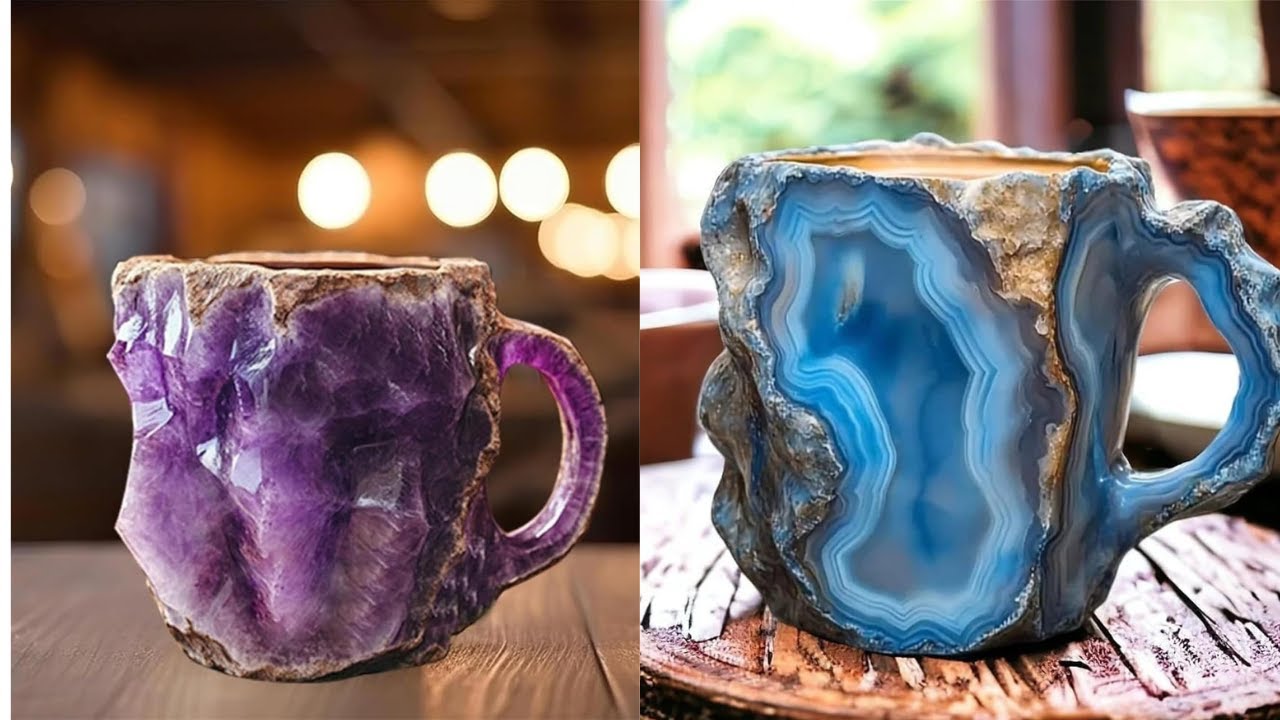
In the world of trendy kitchenware, few products have risen as quickly—or sparkled as deceptively—as “mineral crystal” coffee mugs. Promoted across social media and online marketplaces with shimmering visuals and lofty promises, these cups claim to offer luxury, durability, and even health benefits. But as thousands of disillusioned customers are discovering, the reality is far less radiant.
What Are They Supposed to Be?
Advertisements for mineral crystal mugs describe them as made from “premium mineral crystal,” a material purportedly stronger than glass, more elegant than ceramic, and resistant to chipping and staining. They’re often marketed with terms like “luxury crystal glassware,” “gemstone-infused,” or “mineral-rich,” accompanied by images of dazzling, diamond-like cups catching the light.
Sellers claim these mugs:
- Are highly durable and chip-resistant
- Enhance the flavor of beverages
- Are made from “natural minerals”
- Possess a unique, brilliant clarity
- Are dishwasher and microwave safe
The Cracked Reality
Customer reviews and investigative reports reveal a consistent pattern of disappointment:
1. They’re Just (Poor Quality) Glass
Independent testing and material analysis show most so-called “mineral crystal” mugs are simply soda-lime glass—the same material used in inexpensive drinkware. The “mineral” label appears to be a marketing invention with no standardized meaning in glassware. The crystal-like appearance is often achieved through cut patterns and lighting tricks in promotional photos.
2. Fragility Over Durability
Far from being chip-resistant, countless buyers report these mugs breaking from minor impacts, thermal shock (like adding hot liquid to a cold cup), or even dishwashing. The promised durability is conspicuously absent, with replacement requests frequently met with silence or excuses.
3. The Health Claims Are Pure Fiction
Some listings suggest these mugs can “mineralize” your water or create “smoother” coffee. No scientific evidence supports these claims. Beverages don’t absorb minerals from inert glass surfaces during normal use.
4. Inconsistent and Misleading Descriptions
Listings often contradict themselves, variously describing the material as “crystal,” “glass,” “mineral,” or “stoneware” within the same product page. This ambiguity appears strategic, allowing sellers to evade specific material claims when challenged.
5. The Classic Drop-Shipping Markup
These mugs are a textbook drop-shipping product. Identical cups appear on AliExpress, Temu, and wholesale sites for $2–$5 per unit, while branded “mineral crystal” versions sell for $25–$40 each. Sellers simply add a shiny label and a compelling story to justify a 500% markup.
Why the Shine Works
The success of this scam hinges on several factors:
- Visual Appeal: Glamorous photos and videos make the cups appear luxurious.
- Vague Terminology: “Mineral crystal” sounds scientific and premium without making verifiable claims.
- Social Proof: Paid influencers and fake reviews create artificial credibility.
- The Gift Factor: These seem like perfect, unique gifts, prompting impulse purchases.
How to Spot Kitchenware Scams
- Research the material: If it’s not a recognized material category (like borosilicate glass or lead-free crystal), be skeptical.
- Check multiple platforms: Reverse-image search can reveal the original wholesale product.
- Read critical reviews: Sort by lowest ratings to see consistent complaints.
- Be wary of miraculous claims: If it sounds too good to be true (indestructible, flavor-enhancing, health-improving), it probably is.
- Consider the price: Extreme markup for simple drinkware is a red flag.
The Bottom Line
Mineral crystal coffee mugs exemplify how clever marketing can transform cheap commodities into perceived luxuries. Behind the sparkling facade lies ordinary glass, exaggerated promises, and frustrated customers holding broken pieces of a $30 dream.
As one reviewer succinctly put it: “It’s just a glass mug. A pretty one in the right light, but it won’t survive its first encounter with my dishwasher, and it definitely didn’t make my coffee taste like it was blessed by a mountain spring.”
In the end, the most valuable mineral involved might be the fool’s gold spent purchasing them. For your morning brew, you’re likely better served by a trusted, transparently described mug—even if it shines a little less in the Instagram light.