

Introduction
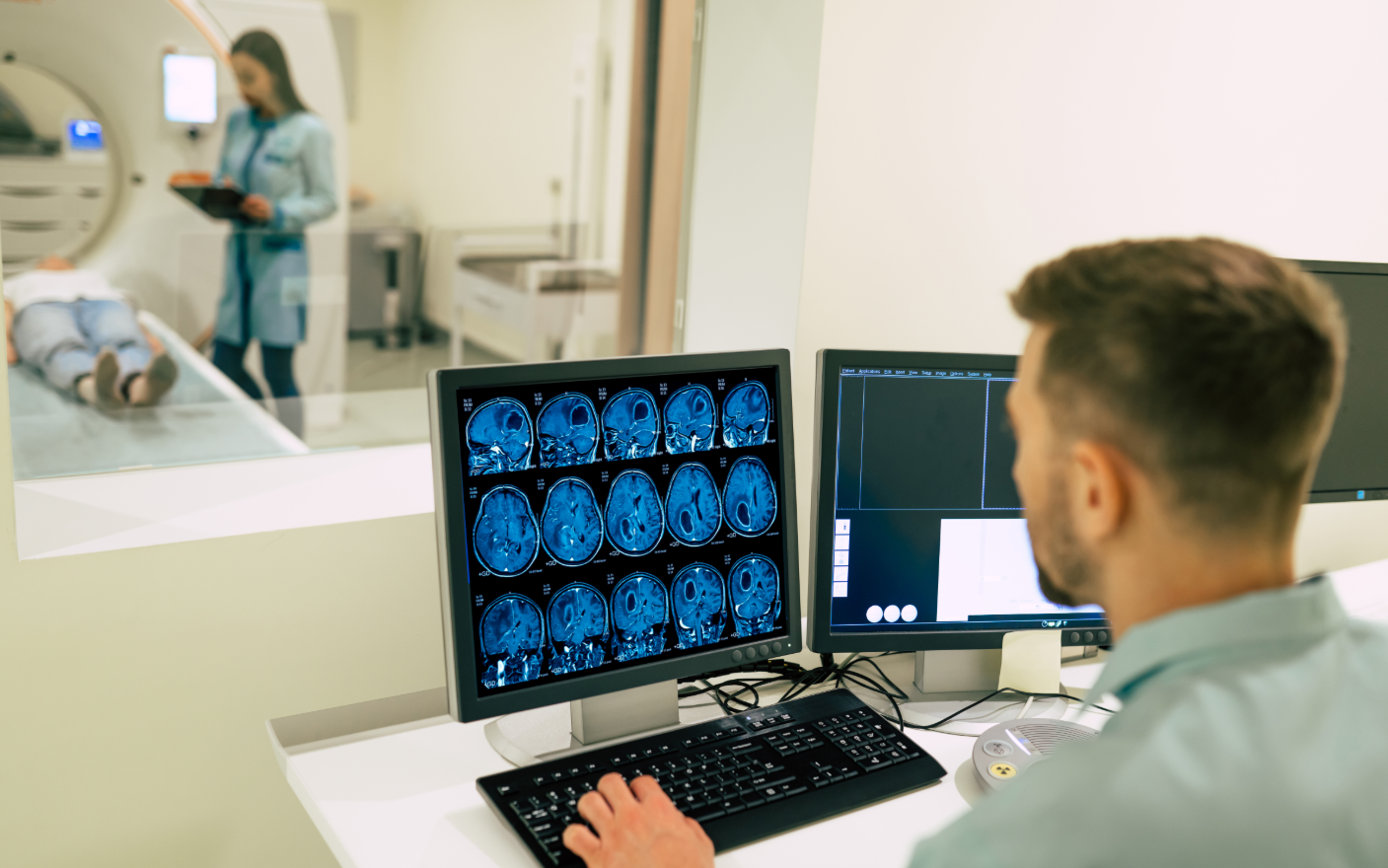
In the dynamic world of modern medicine, where precision is paramount, Magnetic Resonance Imaging (MRI) has become an indispensable diagnostic tool. At the heart of this advanced imaging technology stands the MRI Technologist—a specialized healthcare professional who operates MRI scanners to produce detailed images of organs, tissues, and skeletal systems. As medical imaging continues to evolve, the role of the MRI Technologist has never been more critical. This comprehensive guide explores what it takes to enter and thrive in this vital healthcare career.
What is an MRI Technologist?
An MRI Technologist is a radiologic professional specifically trained to operate MRI equipment. Unlike X-rays or CT scans, MRI uses powerful magnets and radio waves to generate detailed cross-sectional images of the body without ionizing radiation. Technologists are responsible for patient safety, image quality, and often serve as the crucial link between patients and radiologists.
Key responsibilities include:
- Preparing patients for procedures and explaining the process
- Positioning patients correctly for specific scans
- Operating complex MRI machinery and adjusting settings
- Monitoring patients during scans (which can last 30-90 minutes)
- Ensuring image quality for accurate diagnosis
- Maintaining detailed patient records
Educational Pathway
Becoming an MRI Technologist typically requires:
- Education: Most positions require an associate degree in radiologic technology or a related field, though bachelor’s degrees are increasingly common. Programs include coursework in anatomy, patient care, physics, and image evaluation.
- Certification: Many employers require certification from the American Registry of Radiologic Technologists (ARRT) in MRI. This requires completing an accredited educational program and passing a rigorous exam.
- Licensing: Most states require licensure for MRI Technologists, with specific requirements varying by state.
- Specialized Training: Some technologists start as radiologic technologists and later complete specialized MRI training through certificate programs.
Essential Skills and Qualities
Successful MRI Technologists possess a unique blend of technical and interpersonal skills:
- Technical Proficiency: Understanding complex equipment and imaging software
- Attention to Detail: Ensuring precise positioning and image clarity
- Communication Skills: Explaining procedures to anxious patients clearly and compassionately
- Problem-Solving: Troubleshooting equipment issues and adapting to patient needs
- Physical Stamina: Standing for long periods and occasionally assisting patients
- Emotional Resilience: Working with patients who may be in pain or distress
Work Environment and Conditions
MRI Technologists typically work in:
- Hospitals (the largest employer)
- Diagnostic imaging centers
- Outpatient care centers
- Physicians’ offices
- University and research facilities
Most work full-time, with possible evening, weekend, or on-call hours in hospital settings. The role requires adherence to strict safety protocols due to the powerful magnetic field, including screening patients for metal implants and ensuring no ferromagnetic objects enter the scanning room.
Career Outlook and Advancement
The career outlook for MRI Technologists is exceptionally strong. According to the U.S. Bureau of Labor Statistics, employment of radiologic and MRI technologists is projected to grow 6% from 2022 to 2032—faster than the average for all occupations.
Factors driving demand include:
- An aging population requiring more diagnostic imaging
- Advancements in MRI technology expanding clinical applications
- Preference for non-invasive diagnostic methods
With experience, MRI Technologists can advance to:
- Lead or chief technologist positions
- Department management roles
- Applications specialist for MRI equipment manufacturers
- Educator positions in training programs
- Pursuing further specialization in areas like cardiac or neurological MRI
Salary Expectations
Salaries vary based on location, experience, and setting. According to recent data:
- Median annual wage: Approximately $80,000
- Top 10% earners: Over $100,000
- Entry-level positions: Typically start around $60,000
Hospitals in metropolitan areas tend to offer higher compensation, along with comprehensive benefits packages common in healthcare.
The Rewards and Challenges
Rewards:
- Playing a crucial role in patient diagnosis and treatment
- Working with cutting-edge technology
- Regular patient interaction without the blood and trauma of emergency medicine
- Strong job stability and growth potential
- Satisfying blend of technical and people-oriented work
Challenges:
- Managing claustrophobic or anxious patients
- Physical demands of positioning patients
- Adherence to rigorous safety protocols
- Potential for evening or weekend hours
- Keeping pace with rapidly evolving technology
The Future of MRI Technology and the Profession
The field continues to evolve with advancements like:
- Higher-field strength magnets for greater resolution
- Faster scanning techniques improving patient comfort
- Functional MRI for brain activity mapping
- Artificial intelligence integration for image analysis
These developments promise to expand diagnostic capabilities and may create new specialties within the profession, requiring ongoing education but offering exciting opportunities for those willing to grow with the technology.
Conclusion
A career as an MRI Technologist offers a unique intersection of advanced technology, patient care, and diagnostic medicine. For those with the right blend of technical aptitude and compassion, it provides a stable, rewarding path in healthcare. As medical imaging continues to advance, the skilled hands and expertise of MRI Technologists will remain indispensable to modern diagnosis and treatment—making this not just a job, but a vital healthcare mission.
Whether you’re a student considering healthcare careers or a professional seeking a meaningful change, becoming an MRI Technologist represents an opportunity to build a future where technology and humanity meet for better health outcomes.