

Introduction: The Worry of the “Mystery” Fever
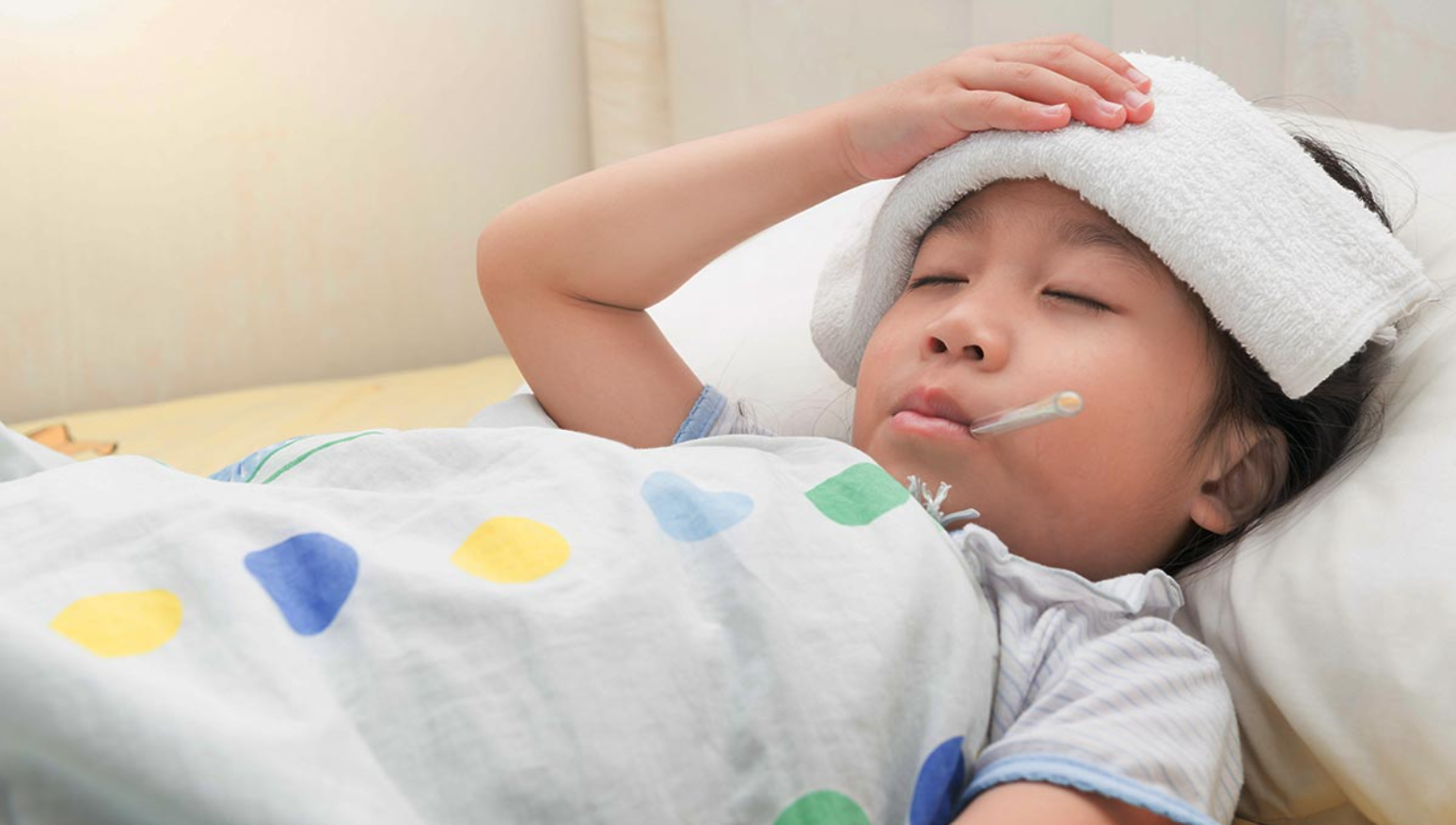
It’s a common scene for parents: you place your hand on your child’s forehead and feel that unmistakable warmth. A quick check with the thermometer confirms it—a fever. But when you ask “What hurts?” your child shrugs, goes back to playing, and seems otherwise perfectly fine. No cough, no runny nose, no complaint of sore throat or earache. This scenario, while frequently unsettling, is a common part of childhood. This guide aims to demystify isolated fevers, helping you understand potential causes, when to worry, and how to provide comfort.
What is a Fever, Really?
First, it’s crucial to reframe how we see a fever. A fever is not an illness; it is a symptom. It’s the body’s intelligent, natural response to an invader, most often a virus or bacteria. By raising the internal temperature, the body creates a less hospitable environment for germs and kicks the immune system into higher gear. A fever, in itself, is a sign that the body is doing its job.
Common Causes of Isolated Fever in Children
When no other symptoms are apparent, these are the most likely culprits:
- Viral Infections: The most common cause. Many viruses announce themselves with a fever 24-48 hours before other symptoms (like a rash, cough, or congestion) appear. Common examples include roseola (which features a fever for 3-5 days followed by a rash), hand-foot-and-mouth disease, and general “cold” viruses.
- Bacterial Infections: Some bacterial infections, like urinary tract infections (UTIs—especially in young children who can’t vocalize the specific discomfort), early-stage strep throat, or bacterial pneumonia, may present with fever alone initially.
- Teething: While research suggests teething might cause a very slight elevation in temperature (around 99-100°F / 37.2-37.8°C), it is unlikely to cause a true fever (over 100.4°F / 38°C). A high fever during teething is likely coincidental with another illness.
- Overheating: In infants, being overdressed or in a hot environment can sometimes raise body temperature. This typically resolves quickly once they are cooled down.
- Post-Immunization: A low-grade fever within 24-48 hours of vaccinations is a common and expected immune response.
- Less Common Causes: These can include inflammatory conditions or, very rarely, more serious illnesses, which is why monitoring is key.
The “When to Worry” Guide: Red Flags
This is the heart of every parent’s concern. Always trust your instincts—if you feel something is seriously wrong, seek medical attention. The following are clear signs to contact your pediatrician or seek urgent care:
- Age-Based Urgency:
- Under 3 Months: Any rectal temperature of 100.4°F (38°C) or higher is a medical emergency. Call your doctor or go to the ER immediately.
- 3-6 Months: A fever over 101°F (38.3°C) warrants a call to the doctor.
- 6-24 Months: A fever over 102°F (38.9°C) that lasts more than 24 hours (with no other symptoms) should be evaluated.
- Fever Duration: A fever lasting more than 3-5 days, even if low-grade, should be checked.
- The Child’s Overall Condition (The “Look Test”): This is critical. Seek help if your child is:
- Lethargic or difficult to wake.
- Irritable and inconsolable.
- Confused or seems ill in a way you can’t describe.
- Showing signs of dehydration (fewer wet diapers/urination, no tears when crying, dry mouth).
- Having trouble breathing (even with no cough).
- Developing a stiff neck or is sensitive to light.
- Experiencing a severe headache.
- Specific Symptoms: If a rash develops, or if the child starts complaining of pain (ear, throat, stomach, when urinating), contact your doctor.
- Underlying Conditions: If your child has a chronic illness (e.g., heart disease, sickle cell anemia, immune system issues), call your doctor for guidance sooner.
At-Home Management: Comfort and Care
If your child has a fever but is still drinking, playing intermittently, and is alert, you can usually manage at home.
- Focus on Comfort, Not the Number: Your goal is to make your child feel better, not to achieve a specific temperature. A sleeping child with a fever should be left to rest.
- Encourage Fluids: Offer small, frequent sips of water, clear broth, ice pops, or an oral rehydration solution. Avoid sugary juices.
- Dress Lightly: Use light clothing and a light blanket if needed. Do not bundle them up.
- Consider Medication: If your child is uncomfortable, you can use acetaminophen (Tylenol) or ibuprofen (Advil, Motrin—for children over 6 months). Never give aspirin. Use the correct dose based on weight, not age. These medications will lower the fever and ease discomfort, but they do not treat the underlying cause.
- Rest: Allow for quiet play and extra sleep.
What to Expect at the Doctor
If you take your child in, the pediatrician will conduct a thorough examination. They may:
- Ask detailed questions about the fever’s pattern and any subtle changes in behavior.
- Check the ears, throat, lungs, and abdomen.
- Listen to the heart and assess hydration.
- Possibly order tests like a urinalysis (to check for UTI), a throat culture, or blood work if the cause isn’t clear or the fever persists.
Conclusion: Balancing Vigilance and Calm
An isolated fever can feel like a parenting puzzle, but in most cases, it’s a sign of the body effectively fighting off a common, minor infection. Your role is to be a vigilant observer and a source of comfort. Monitor for the red flags, trust your instincts about your child’s overall well-being, and don’t hesitate to call your pediatrician with questions—that’s what they are there for. By understanding the nature of fevers and knowing the signs of concern, you can navigate these episodes with greater confidence and less anxiety.
Disclaimer: This article is for informational purposes only and does not constitute medical advice. Always consult with your child’s pediatrician for any health concerns.