

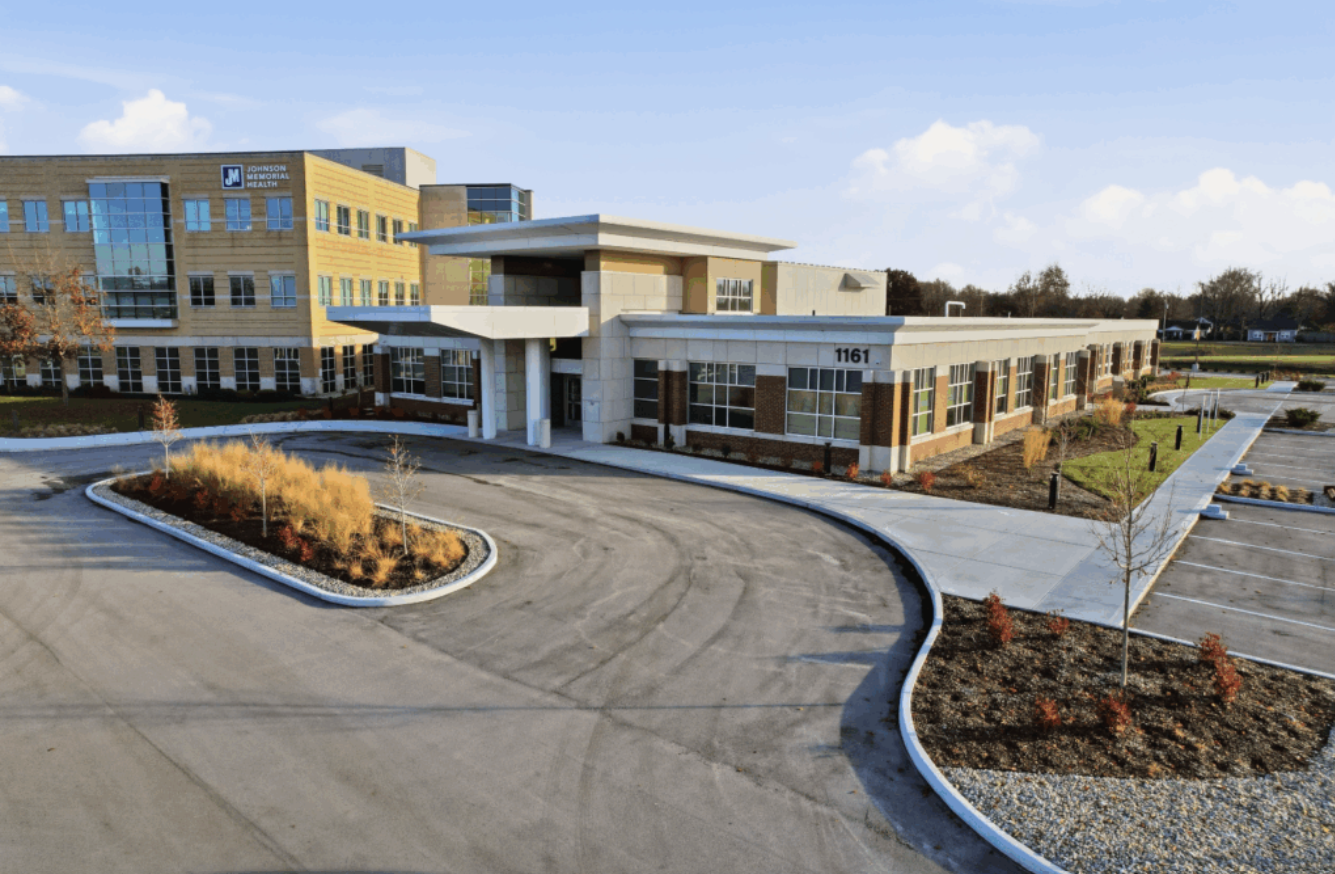
In a nation where youth mental health crises are reaching alarming levels, one county is pioneering an innovative approach that is turning heads and saving lives. Johnson County, Kansas, has launched a comprehensive, youth-specific crisis care system that is redefining how communities respond to their youngest and most vulnerable residents in moments of acute need.
Moving Beyond the Emergency Room
Traditionally, a young person experiencing a mental health breakdown often ends up in a hospital emergency department—a high-stimulus, intimidating environment ill-suited for therapeutic intervention. Johnson County’s model, developed through its Johnson County Mental Health Center (JCMHC), is built on a fundamental shift: meeting youth where they are, both physically and emotionally.
The cornerstone of this innovation is the Youth Crisis Recovery Center (YCRC), a dedicated, home-like facility for individuals aged 6 to 18. Unlike sterile clinical settings, the YCRC offers a calming environment with private rooms, communal spaces, and access to outdoor areas. Here, youth can stabilize for up to 72 hours, receiving immediate psychiatric care, individual and group therapy, and family support—all without ever setting foot in an ER.
A Multi-Faceted System of Support
The county’s approach is not a single solution but an integrated system:
- 24/7 Crisis Mobile Response Teams: Specially trained clinicians and peers can deploy directly to a child’s home, school, or community location. This on-the-spot de-escalation prevents situations from escalating and provides immediate assessment and resources.
- School-Based Integration: JCMHC embeds therapists directly in school districts, providing early intervention and creating a seamless pathway to crisis services when needed. This normalizes mental health care and reduces stigma.
- The “Crisis Stabilization” Philosophy: The focus is on rapid assessment, stabilization, and connection to the next step in ongoing care—whether that’s outpatient therapy, intensive in-home services, or substance use treatment. The goal is recovery and continuity, not just containment.
- Family Involvement as Standard Practice: Recognizing that a youth’s ecosystem is critical, the model mandates family inclusion in the crisis planning process, ensuring support systems are strengthened, not bypassed.
Data-Driven Results and Community Impact
Early outcomes are promising. Since its implementation, the model has:
- Significantly reduced ER utilization for pediatric mental health crises.
- Decreased law enforcement involvement in mental health calls for youth.
- Improved linkage to ongoing care, with over 90% of youth receiving follow-up services.
- Received high satisfaction ratings from both youth and families, who report feeling heard, respected, and actively involved in their care.
“We asked ourselves, ‘What would we want for our own child in a moment of crisis?’” said the Director of JCMHC. “The answer wasn’t a waiting room or a police car. It was a safe, compassionate, expert response that treats the whole family with dignity and gets them on a path to healing. That’s what we’ve built.”
A National Model for a National Crisis
With the U.S. Surgeon General declaring a youth mental health emergency, Johnson County’s proactive and compassionate framework offers a replicable blueprint. It demonstrates that with strategic investment, community partnership, and a shift from reactive to proactive care, municipalities can break the cycle of crisis and build a foundation of resilience for their youth.
The Johnson County model proves that in youth mental health, the most innovative approach is also the most human one: responding to fear with safety, to chaos with calm, and to crisis with a clear pathway to hope.