

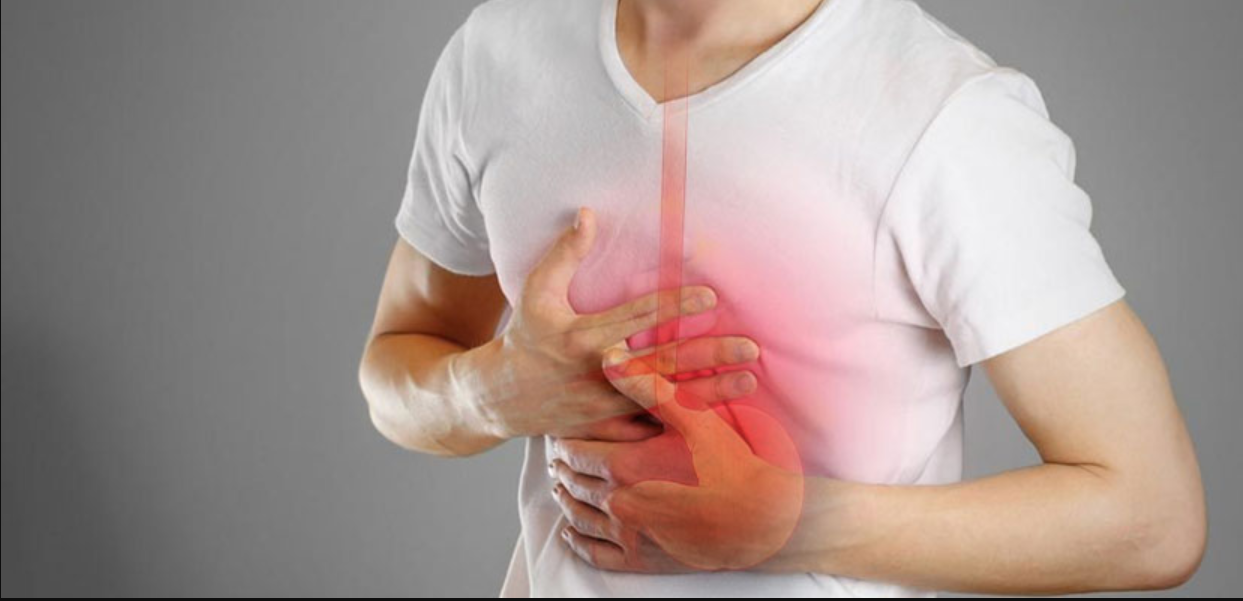
That familiar, uncomfortable burning in your chest after a spicy meal or a little too much indulgence—heartburn is a common foe for millions. When it strikes, you likely head straight to the medicine cabinet. But amidst the array of antacids and acid reducers, you might find a familiar pink bottle: Pepto-Bismol.
But is Pepto-Bismol actually good for heartburn? The answer is yes, but with some important caveats. This complete guide will break down how it works, when to use it, and what you need to know to use it safely and effectively.
First, What Exactly is Heartburn?
Contrary to its name, heartburn has nothing to do with your heart. It occurs when stomach acid flows back up into your esophagus (the tube connecting your throat to your stomach). This is called acid reflux. The lining of your esophagus isn’t as tough as your stomach’s, so the acid causes a characteristic burning sensation behind your breastbone.
Common triggers include:
- Spicy, fatty, or acidic foods
- Large meals
- Lying down too soon after eating
- Caffeine and alcohol
- Smoking
How Does Pepto-Bismol Work on Heartburn?
Pepto-Bismol’s active ingredient is bismuth subsalicylate. This compound works in a few key ways to provide relief:
- It Acts as a Protective Coating: Bismuth subsalicylate has a mild anti-acid effect, but its primary action is to coat the lining of your esophagus and stomach. This creates a protective barrier, shielding the sensitive tissues from irritating stomach acid. Think of it as a soothing, pink shield.
- It Reduces Inflammation: The subsalicylate part of the molecule is related to aspirin (acetylsalicylic acid) and has anti-inflammatory properties. This can help calm the irritation and inflammation in your esophagus caused by the acid reflux.
- It Soothes Overall Stomach Upset: Heartburn often doesn’t come alone. It can be accompanied by nausea, indigestion, or an upset stomach. Pepto-Bismol is particularly effective here because it addresses these multiple symptoms simultaneously.
When to Reach for the Pink Bottle
Pepto-Bismol is an excellent choice for occasional, mild-to-moderate heartburn, especially when it’s part of a larger bout of indigestion.
Consider using Pepto-Bismol if your heartburn is accompanied by:
- An upset stomach
- Nausea
- Diarrhea
- A feeling of fullness or bloating
It’s a great “multi-symptom” solution. If your only complaint is severe, fiery heartburn, a dedicated antacid (like Tums or Rolaids) or an acid reducer (like Pepcid AC or Zantac) may provide faster or more targeted relief.
Important Dosage and Safety Information
Using Pepto-Bismol correctly is crucial for both effectiveness and safety.
- Follow the Directions: Always read and follow the label on the bottle. The typical dosage for adults and children 12+ is 2 tablets (or 30 mL) every 30-60 minutes as needed. Do not exceed 8 doses in 24 hours.
- A Temporary Side Effect: It’s completely harmless, but Pepto-Bismol can darken your tongue and stool to a blackish color. This is a temporary effect of the bismuth reacting with sulfur in your saliva and digestive tract and is no cause for alarm.
- Who Should Avoid It:
- Aspirin or Salicylate Allergies: Do not use Pepto-Bismol if you are allergic to aspirin or other salicylates.
- Children and Teenagers with Viral Illnesses: Due to the risk of Reye’s syndrome—a rare but serious condition—Pepto-Bismol should not be given to children or teenagers who have or are recovering from chickenpox or flu-like symptoms.
- Pregnant or Breastfeeding Women: It’s generally recommended to consult a doctor before use.
- People on Certain Medications: If you take blood thinners (like warfarin), diabetes medication, or gout drugs, talk to your doctor or pharmacist first, as Pepto-Bismol can interact with them.
- Those with GI Ulcers or Bleeding Disorders: Avoid use unless directed by a doctor.
Pepto-Bismol vs. Other Heartburn Treatments
How does the pink stuff stack up against the competition?
- vs. Antacids (Tums, Rolaids): Antacids work faster to neutralize stomach acid immediately. Pepto-Bismol’s coating action may take slightly longer but can provide more lasting relief for the esophageal lining and tackle additional symptoms.
- vs. H2 Blockers (Pepcid AC, Zantac): These medications reduce the production of stomach acid and can provide relief for up to 12 hours. They are better for preventing heartburn you know is coming. Pepto-Bismol is for treating symptoms after they start.
- vs. Proton Pump Inhibitors (Prilosec, Nexium): PPIs are powerful acid reducers for frequent, severe heartburn (used for 14 days). They are not for immediate relief. Pepto-Bismol is on the opposite end of the spectrum—fast-acting for occasional issues.
The Bottom Line: Is Pepto-Bismol Right for Your Heartburn?
Yes, Pepto-Bismol is an effective and reliable option for relieving occasional heartburn, particularly when it’s part of a larger “belly ache” involving nausea or indigestion. Its unique coating action provides a soothing shield that other treatments don’t offer.
However, if you find yourself reaching for heartburn relief more than twice a week, it’s a sign to see a doctor. Frequent heartburn could be a symptom of gastroesophageal reflux disease (GERD), which requires a different management strategy to prevent long-term complications.
For those sporadic bouts of burning after a rich meal, the pink bottle can be a trusted and effective friend in your quest for relief.